

%201.svg)

September 29, 2026
DPP compliance: the scattered data problem

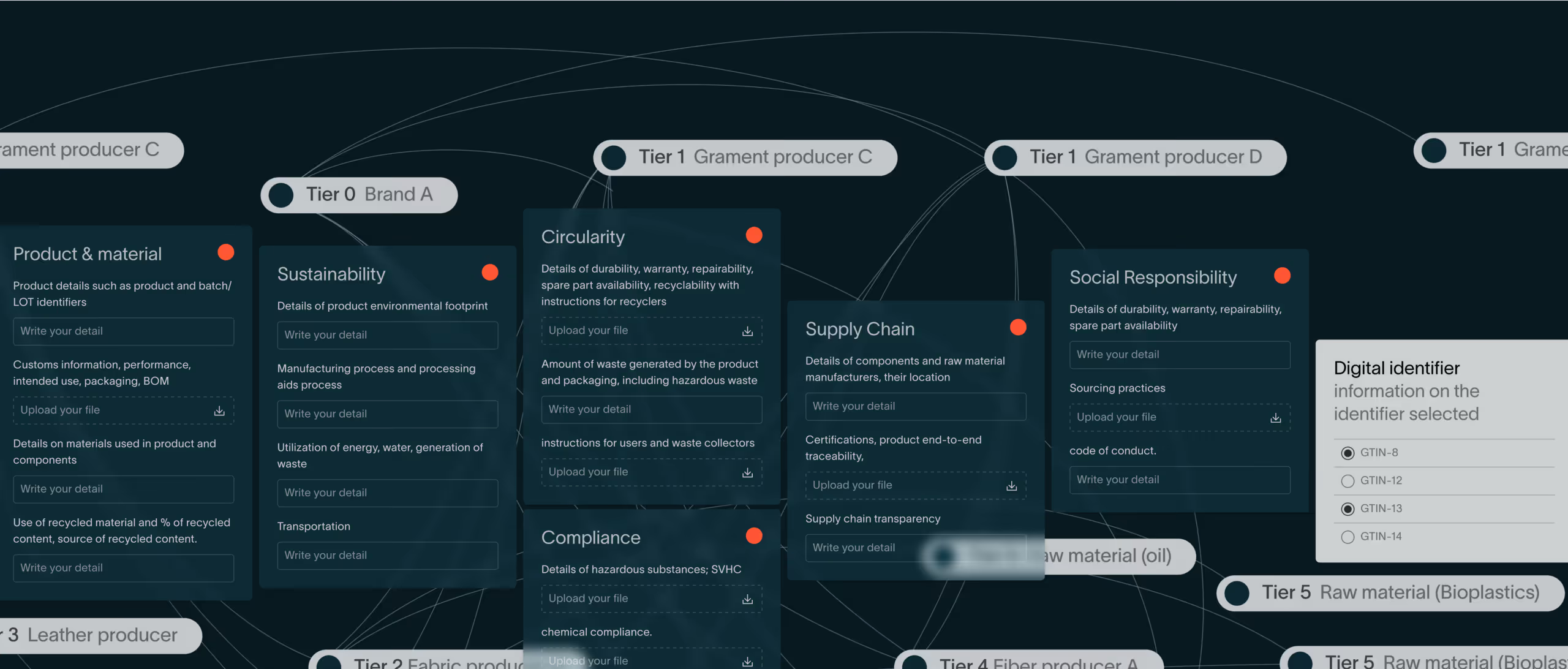
A compliance manager at a mid-size fashion brand showed me their system for tracking supplier certificates last month. A notebook with handwritten notes about which suppliers owed them documentation. A SharePoint folder with over 200 PDF files and subfolders with names “outdated”. Endless email threads to suppliers about which factory produced what articles, and clarifications on incorrectly sent certificates going back years. The system was drowning in manual work.
This is the reality for most fashion brands preparing for the 2026 EU Digital Product Passport requirements. The problem isn’t that companies lack the required data points to ensure compliance. The problem is that their information is scattered across a dozen different places, in formats that don’t communicate with each other, and is maintained by people who might no longer be employed there.
Product information lives in ERP or PLM systems, or for smaller brands, in Shopify. Supplier contacts are stored in spreadsheets, certificates are buried in emails, and audit reports are hidden in folders. Traceability data? Often untracked entirely. When someone needs to answer a simple question like “how many kilos or percent of sustainable materials did we use in our last collection?”, they’re looking at an afternoon of work.
This scattered data creates operational bottlenecks. Without automation, compliance teams spend their days hunting for information, manually tracking certificate expirations, and recreating data entry processes for every new collection. Most critically, companies can’t make strategic decisions because their data can’t tell them anything at scale. Which materials have the highest compliance risk? Which suppliers consistently have documentation gaps? They have no idea.
The answer is automation. Platforms like Ovido use AI to extract key details from uploaded certificates and supplier documentation: expiration dates, manufacturer names, compliance status, and material composition. The system organizes everything automatically and flags issues before they become problems. Certificate expiring in 30 days? The compliance team gets an alert. Supplier submits new documentation? It’s automatically linked to the relevant products. New collection launch? Brands immediately see which materials have compliance gaps.
Manual compliance doesn’t scale in fashion. A brand with 500 products trying to build Digital Product Passports manually is looking at months of work. With automation, that drops to hours.
Tuomas Rinkineva
Co-founder
Tuomas co-founded Ovido in 2024 to make product and supply chain data simple and affordable for businesses of every size. He previously led core product development at Smartly. Today he leads Ovido's product vision, working closely with fashion and manufacturing brands across Europe.
More to read
Keep reading

August 7, 2026
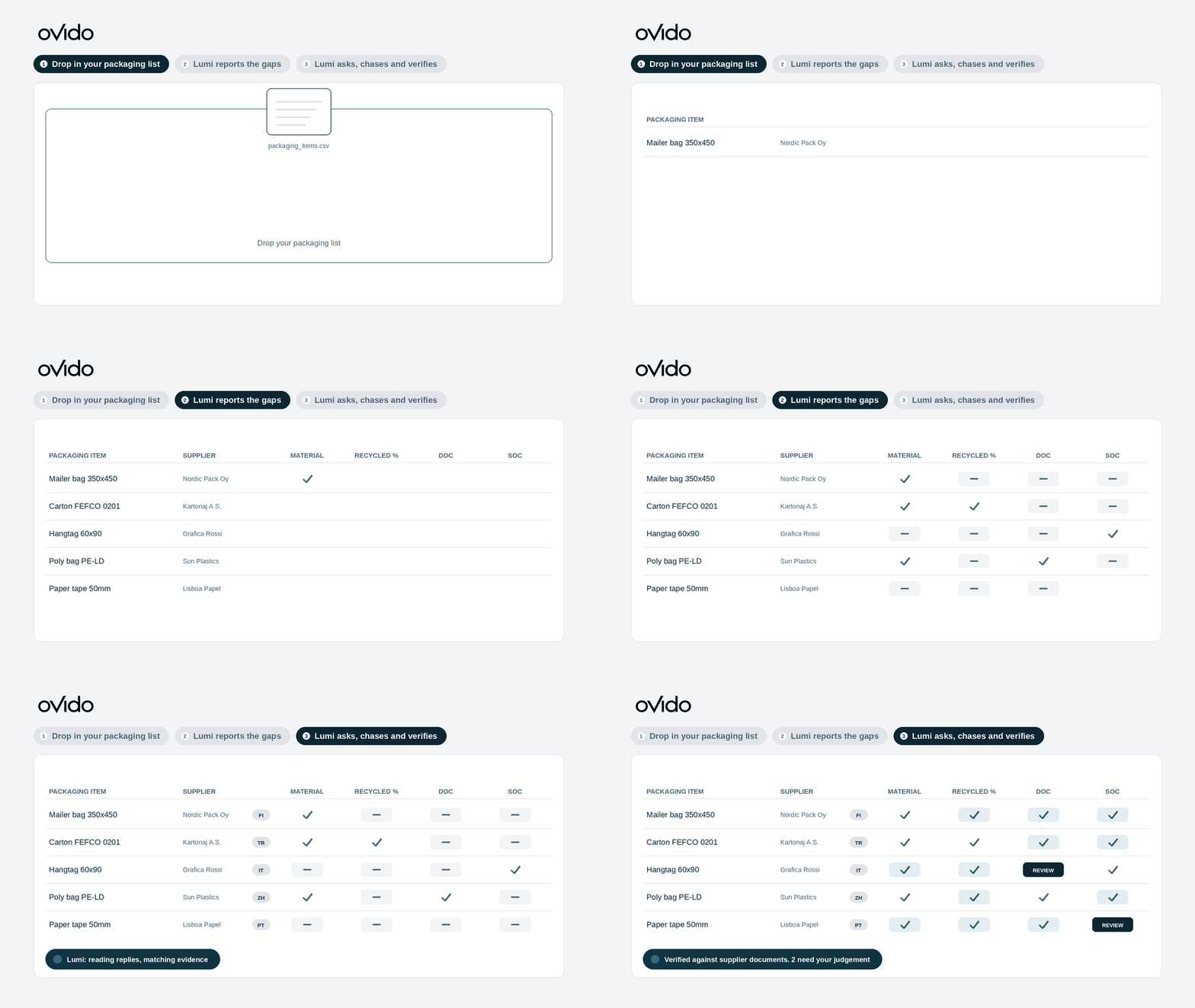
The hard part of PPWR isn't asking suppliers. It's reading what they send back.


February 10, 2026
the textile ecodesign study (3rd milestone): scope, timeline, and what it signals for future ESPR requirements