

%201.svg)

June 24, 2026
Off a legacy ERP and onto one product data engine in two months

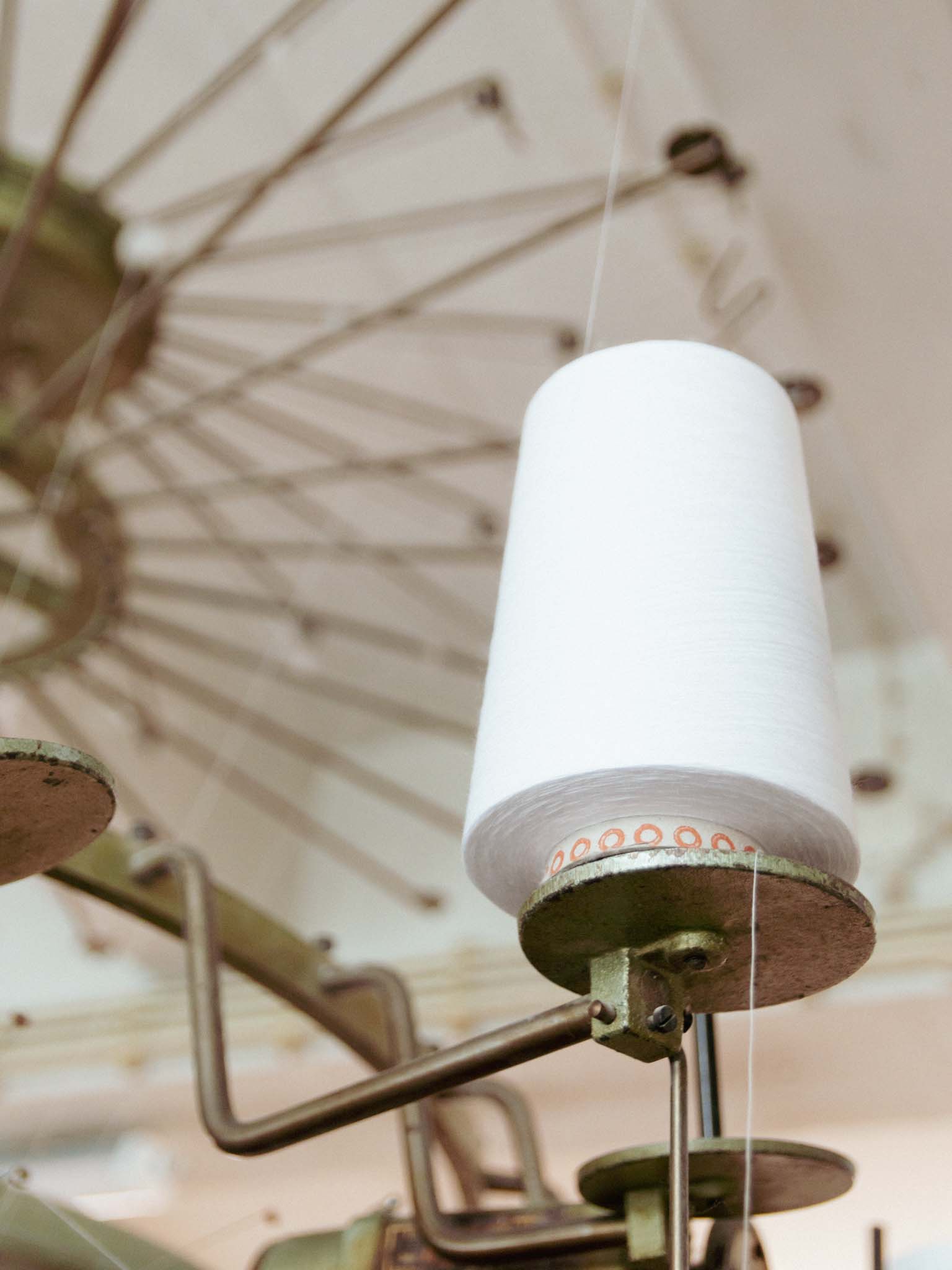
Tam Silk is one of Finland's oldest clothing brands, founded in 1925 as Tampereen Silkkikutomo (the Tampere Silk Weaving Mill) and shortened to Tam Silk after moving to Kangasala in the 1960s. A hundred years on, the brand makes timeless, everyday layering essentials such as base layers, underwear, and knitwear for women, men, and children, all from natural materials like merino-silk, merino wool, bamboo, and cotton. Products are made in Finland at the Kangasala factory, which runs its own in-house knitting mill, and Tam Silk was the first textile company in Finland to be granted the Finnish Social Enterprise mark.
Tam Silk runs two Shopify storefronts, B2B and D2C, and reached the point where its product data needed to move on from legacy tooling. The team wanted modern, AI-driven tools that could keep one clean set of product information in sync across both stores and prepare them for what's next. They took on that shift as one of Ovido's design partners, shaping Ovido's PIM around how a real textile brand actually manages product data day to day.
Tam Silk had years of product data, but it lived in a legacy ERP that was never built for fast-moving, multi-store ecommerce, or for the EU transparency requirements coming down the line. Moving forward meant replacing manual, fragmented processes with structured, AI-assisted product data management.
For us, transparency about production and the origin of our products is something we want to emphasize: consumers should be able to verify things like where a product's raw materials come from and how much of it is made in Finland. As a domestic manufacturer, we see real opportunity in adopting the Digital Product Passport, and I believe it also helps us develop our own processes and product data management more broadly. We chose Ovido as our partner because they have deep understanding of the textile industry, and the complexity of the value chains or the fragmentation of the data don't take them by surprise.
- Minja Kokkonen, CEO, Tam Silk
It's wonderful to see how such a traditional, 100-year-old domestic brand is constantly ready to evolve and innovate, while setting an example for the whole industry with a full-scale adoption of Digital Product Passports. Investing in sustainability and domestic production doesn't automatically mean losing a competitive edge. On the contrary, as transparency becomes mandatory, it can become a competitive advantage. We're excited to support Tam Silk in this important transition.
- Tuomas Rinkineva, Ovido
Read Tam Silk's press release about it (in Finnish)
Ovido PIM. One textile-aware product record feeds both the B2B and D2C Shopify stores. The team adds and edits products, media, and copy once, and it syncs everywhere, with tailored views and bulk editing for the marketing and ecommerce side of the team.
Structured product and compliance data. Materials, bills of materials, suppliers, certificates, and traceability all live interconnected in one system, including Öko-Tex certificates and mulesing-free wool sourcing, so the product team works from the same clean, verifiable data the storefronts run on.
Ovido DPP. ESPR-ready Digital Product Passports generated directly from the product data Tam Silk already maintains, accessible to consumers via a QR code on the product. Not a pilot but a full-scale rollout: Tam Silk is among the first textile companies in Finland to adopt DPP at scale, starting with its own Kangasala-made products and extending across the rest of the collection through 2026.
Tuomas co-founded Ovido in 2024 to make product and supply chain data simple and affordable for businesses of every size. He previously led core product development at Smartly. Today he leads Ovido's product vision, working closely with fashion and manufacturing brands across Europe.